
| Module | Tier | Price (PKR/employee/month) | Notes |
|---|---|---|---|
| Standard Payroll | SME / Startup | Rs. 400 | Automated salary, EOBI, FBR tax, and payslips. |
| Professional | Growth-Stage | Rs. 600 | Includes Bank Integration, WhatsApp slips & Multi-branch. |
| Enterprise | Large Scale | Custom | Includes Gratuity, PF, and sophisticated API access. |
Managing payroll efficiently is a critical task for any organization, yet it often presents significant challenges. From ensuring regulatory compliance to accurately processing employee compensation, businesses must navigate various complexities. Selecting the right payroll software can simplify these processes, improve accuracy, and enhance overall operational efficiency. This guide provides a structured approach to help companies choose the best payroll software tailored to their specific needs.
Before selecting a payroll solution, it is essential to evaluate the size and structure of your organization. Small businesses might require simple, straightforward systems, whereas larger enterprises often need more comprehensive solutions with capabilities for handling multiple pay groups, locations, and complex workflows.
The complexity of payroll operations varies significantly between businesses. Factors such as employee classification (full-time, part-time, contractors), varying pay scales, bonuses, overtime, and deductions must be considered when choosing software that can accommodate diverse payroll scenarios.
Organizations must assess how the payroll system will integrate with their existing platforms, such as HR management systems, accounting software, and time-tracking tools. Seamless integration ensures a smoother flow of data, reducing manual work and the potential for errors.
Automation is a cornerstone feature that reduces human errors and saves time. Payroll software should offer automatic salary computations, direct deposit capabilities, and the generation of pay slips.
Staying compliant with tax regulations is non-negotiable. A reliable payroll solution should automatically calculate taxes, generate reports, and file returns as needed, helping businesses avoid penalties and ensuring adherence to the latest legal requirements.
Modern payroll systems offer employee self-service portals, enabling staff to view payslips, download tax documents, and update personal information independently. This feature reduces the administrative burden on HR departments.
An integrated time and attendance feature ensures accurate calculation of working hours, overtime, and leave balances, directly impacting payroll accuracy and employee satisfaction.
Customizable reporting and analytics allow organizations to generate specific insights related to labor costs, budget forecasts, and compliance audits. These reports are invaluable for strategic decision-making.
A payroll system must have an intuitive interface that enables HR professionals and business owners to navigate features effortlessly without the need for extensive training.
Cloud-based payroll solutions offer enhanced accessibility, allowing users to manage payroll anytime and anywhere. Mobile-compatible systems further enhance convenience, especially for remote or hybrid working environments.
Payroll information is highly sensitive. Therefore, the software must utilize robust encryption protocols and secure data storage practices to protect employee and organizational data from breaches.
Role-based access controls are necessary to ensure that only authorized individuals can access specific payroll data. This layered security approach minimizes the risk of data leaks and internal breaches.
Reliable customer support is crucial. Businesses should choose a provider offering multiple support channels, including phone, email, and live chat, ensuring assistance is readily available when needed.
Onboarding and training services help organizations transition smoothly to a new payroll system. Providers that offer detailed tutorials, demos, and personalized support facilitate a faster and more effective implementation.
Payroll laws and regulations frequently change. It is vital to select a vendor that offers regular software updates, ensuring the system remains compliant and continues to meet operational needs without disruption.

Understanding the pricing model is essential. Subscription-based services may offer flexibility and ongoing support, while a one-time payment may be more cost-effective in the long term for some businesses.
Potential users must inquire about hidden costs such as charges for additional users, setup fees, integration costs, and future scalability requirements. Full transparency on pricing prevents budget overruns.
While cost is a significant factor, the value provided by the software in terms of time savings, reduced errors, and improved compliance should be weighed carefully to determine the true return on investment.
Real-world testimonials and case studies provide insights into how the software performs across different industries and business sizes. They highlight strengths, reveal limitations, and offer practical perspectives.
Platforms such as G2, Capterra, and Trustpilot host unbiased reviews that help potential buyers make informed comparisons between different payroll software solutions based on actual user experiences.
A demo or trial period allows businesses to test the software in a real-world environment, ensuring it meets operational needs before making a financial commitment.
During the trial period, attention should be paid to system speed, accuracy of calculations, ease of use, customer support responsiveness, and how well the software integrates with existing systems.
After thorough research and trials, companies should shortlist two or three final contenders that best align with their requirements, budgets, and preferences.
It is beneficial to involve HR professionals, finance teams, and even IT departments in the decision-making process. Their collective feedback ensures the chosen software meets technical and functional expectations.
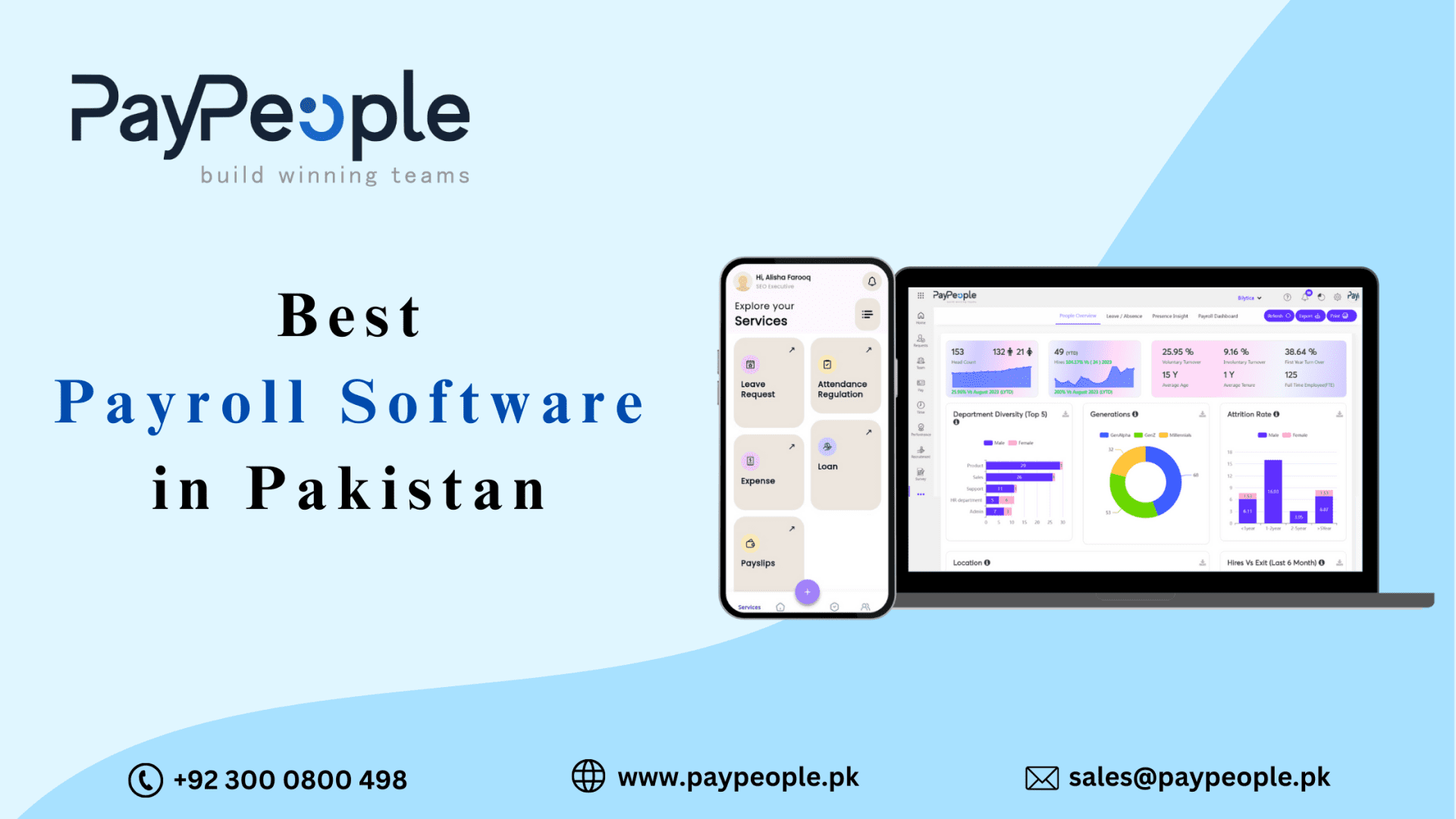
PayPeople offers a comprehensive payroll solution tailored to meet businesses’ dynamic needs. It provides automated salary calculations, tax compliance assistance, customizable reports, and employee self-service portals, all in one integrated platform.
With PayPeople, organizations benefit from built-in compliance updates that align with local tax laws and labor regulations. Advanced security features such as encrypted databases, role-based access controls, and secure backups ensure that sensitive payroll data remains protected.
Numerous businesses across different industries have successfully streamlined their payroll operations with PayPeople. Clients frequently cite improvements in accuracy, efficiency, and employee satisfaction following the implementation of the system.
Starting with PayPeople is straightforward. Interested businesses can request a personalized demo, explore various pricing plans suited to their organizational scale, and receive onboarding support to ensure a seamless transition.
Choosing the best payroll software requires a careful and strategic approach. By thoroughly understanding your company’s unique needs, prioritizing essential features, ensuring user-friendliness, validating security measures, assessing customer support, and analyzing costs, you can make an informed decision that aligns with your organizational goals. Moreover, considering trusted solutions like PayPeople can offer an added layer of assurance, combining innovation with reliability. Investing in the right payroll software not only enhances operational efficiency but also contributes significantly to long-term business success.
Yes, the best payroll software in Pakistan must automate EOBI and SESSI/PESSI calculations. PayPeople is designed to handle local statutory contributions, automatically calculating employer and employee shares based on the current minimum wage and provincial labor laws to ensure 100% compliance.
Yes, modern systems like PayPeople come pre-configured with the latest FBR income tax slabs for salaried employees. The software automatically applies the progressive tax rates, calculates monthly withholding, and generates reports required for your monthly tax filing with the Federal Board of Revenue.
Absolutely. You can generate a bulk payment file (bank file) formatted for major Pakistani banks like HBL, Meezan, and Alfalah. You simply upload this file to your corporate banking portal to execute IBFT or bulk salary transfers instantly, eliminating manual entry errors.
Yes! PayPeople delivers digital payslips to employees via a secure mobile app and directly through WhatsApp and email. This ensures employees can access their salary details instantly, reducing the administrative burden on your HR team to print or manually distribute slips.
PayPeople supports multi-branch payroll for companies with offices in cities like Karachi, Lahore, and Islamabad. You can manage multiple locations under one centralized cloud account, with role-based access for local branch managers to verify attendance while the head office controls global approvals.
Transitioning from Excel to PayPeople typically takes 3 to 7 days. Our team assists with data migration, auditing your current salary structures, setting up EOBI/Tax rules, and running a parallel payroll month to ensure total accuracy before you go live.