Payroll: The Best Cloud Software for 2026 | PayPeople
Leading Pakistani enterprises rely on PayPeople for accurate and timely payroll management.
In the dynamic landscape of modern business operations, payroll stands as one of the most critical components of human resource management. Ensuring employees are paid accurately and on time is not only a legal necessity but also a core element in maintaining employee trust and satisfaction. For this reason, many top-tier companies are shifting to automated payroll systems to streamline processes and reduce risks. Among the most trusted platforms is PayPeople, a comprehensive payroll software designed to simplify, secure, and enhance payroll management for businesses of all sizes.
What should you know about 1. introduction to payroll solutions?
Module
Tier
Price (PKR/employee/month)
Notes
Core Payroll
Starter
Rs. 300
Basic salary processing & Payslips
Compliance Plus
Professional
Rs. 450
EOBI, SESSI, and FBR Tax automation
Enterprise HRMS
Business
Rs. 600
Multi-branch, Bank-file export & WhatsApp
The Importance of Payroll in Business Operations
Payroll is far more than a routine administrative task. It directly influences employee satisfaction, retention, and organizational reputation. Timely and accurate payroll ensures compliance with regulatory requirements and demonstrates an employer’s commitment to its workforce. Moreover, effective payroll systems contribute to the overall efficiency of business operations by automating tasks that would otherwise require significant manual effort and oversight.
Common Challenges in Payroll Management
Companies that manage payroll internally often encounter numerous obstacles, including calculation errors, tax filing mistakes, misclassified employees, and non-compliance with changing labor laws. These errors can lead to financial penalties and diminished employee morale. Payroll delays, in particular, can disrupt workforce stability and erode trust in management. Such challenges underscore the need for a reliable, automated system like PayPeople.
The Evolution of Payroll Services
Historically, payroll involved manual bookkeeping, spreadsheets, and time-consuming reconciliations. As businesses grew, so did the complexity of payroll, necessitating more advanced solutions. The advent of cloud-based software and AI-driven analytics has revolutionized payroll processing. Platforms like PayPeople offer real-time updates, automatic tax calculations, and compliance tracking, ushering in a new era of accuracy and efficiency.
What should you know about key features of paypeople?
User-Friendly Interface
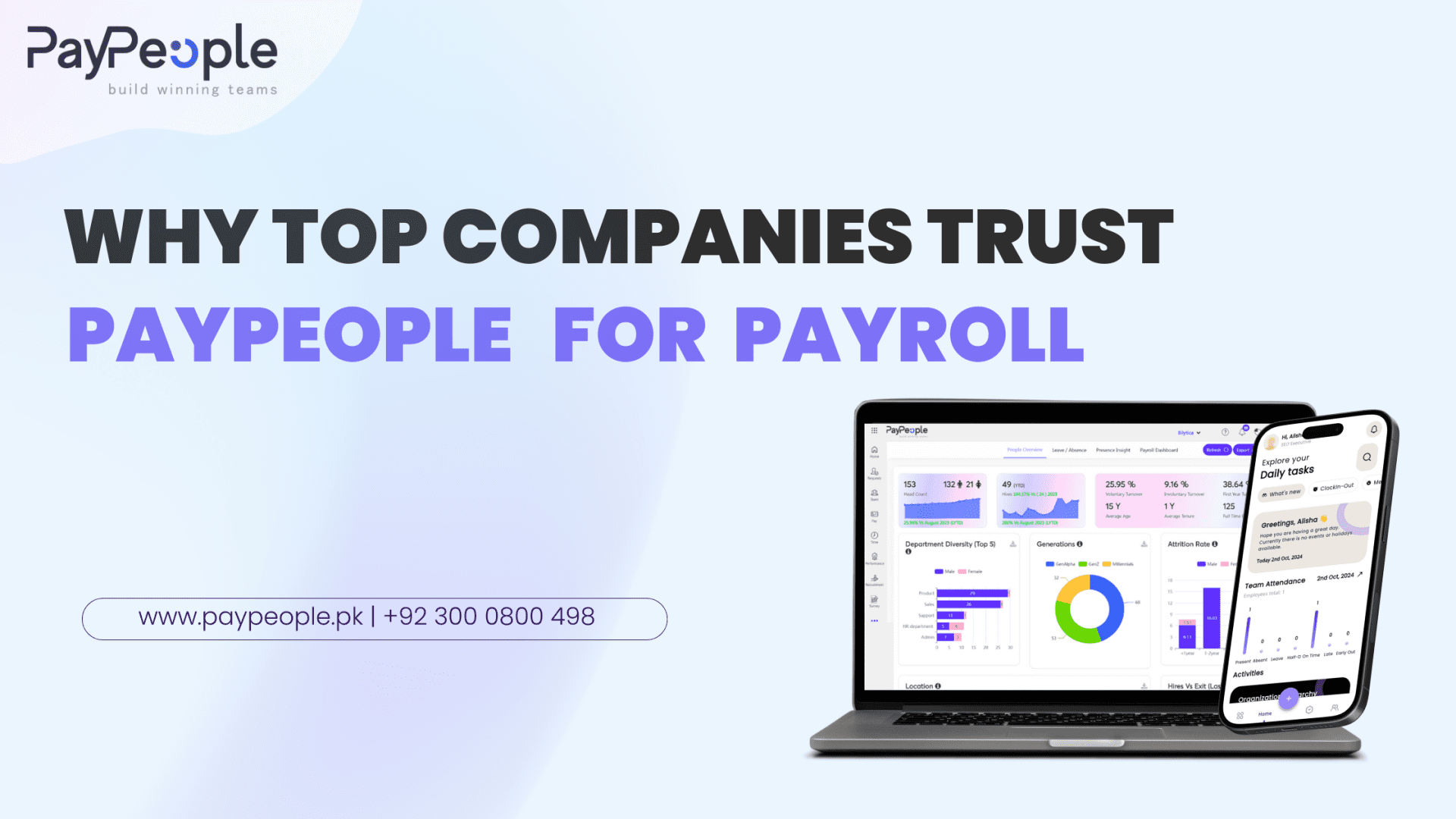
PayPeople is designed with usability at its core. Its intuitive interface enables HR professionals to manage payroll tasks with minimal training. The dashboard is neatly organized, making it easy to access employee records, generate payslips, and schedule payments. A user-friendly design reduces the learning curve and allows HR teams to focus on strategic initiatives rather than operational bottlenecks.
Comprehensive Reporting Tools Reporting is a vital function in payroll systems. PayPeople provides a wide array of reports, including salary breakdowns, tax summaries, audit trails, and compliance checklists. These reports not only assist in internal decision-making but also serve as documentation during audits and financial reviews. Customizable report formats allow companies to extract the insights most relevant to their business needs.
Integration Capabilities One of PayPeople’s standout features is its ability to integrate with other business systems such as accounting software, time and attendance tools, and ERP platforms. This seamless integration ensures data consistency across departments and eliminates the need for duplicate data entry. Integration streamlines workflows and facilitates real-time updates, enhancing overall organizational efficiency.
What should you know about security and compliance?
Data Protection Measures Security is paramount in payroll processing, as it involves sensitive employee data. PayPeople employs end-to-end encryption, multi-factor authentication, and role-based access controls to ensure data confidentiality. Regular backups and robust firewall protection further safeguard against data breaches, giving businesses peace of mind.
Compliance with Labor Laws Navigating the complexities of labor laws is challenging, especially for businesses operating in multiple jurisdictions. PayPeople stays current with legal regulations, automatically adjusting payroll settings to reflect changes in tax laws, minimum wage policies, and employee benefits regulations. This reduces the risk of non-compliance and the costly penalties that may follow.
Regular Updates and Audits PayPeople continuously improves its platform through regular software updates and internal audits. These updates ensure that the system remains aligned with industry standards and regulatory requirements. Regular audits verify the accuracy and reliability of payroll processes, thereby enhancing trust in the system’s outputs.
What should you know about ?
What should you know about customer support and service?
Dedicated Support Teams Responsive and knowledgeable customer support is a hallmark of PayPeople’s service. Clients have access to dedicated support teams who understand the intricacies of payroll and can provide timely assistance. Whether addressing technical issues or answering compliance questions, the support structure ensures minimal downtime and continued operational efficiency.
Training and Resources PayPeople offers extensive training programs to onboard new users. These include video tutorials, live webinars, and one-on-one sessions with support staff. Additionally, a rich library of FAQs, user guides, and knowledge base articles empowers users to resolve common issues independently, fostering user confidence and autonomy.
Client Feedback and Continuous Improvement Client feedback is a cornerstone of PayPeople’s development strategy. By actively listening to users and incorporating suggestions, PayPeople continuously refines its features and functionalities. This customer-centric approach ensures the platform remains relevant and effective in meeting evolving business needs.
Case Studies and Success Stories
Small Business Success with PayPeople Many small retail businesses, like (Nando’s, Samson, ZERO, and other) transitioned from manual System to PayPeople and saw immediate improvements. Payroll processing time was reduced by 60%, and employee satisfaction scores improved due to consistent on-time payments. The automation of tax calculations also reduced human error, enhancing compliance.
Large Enterprises and Scalability PayPeople has proven its scalability by supporting large enterprises, like (ibex and other) with thousands of employees. A multinational corporation leveraged PayPeople to centralise payroll across several regions. The result was a unified payroll system that enabled real-time reporting, consistent compliance, and simplified cross-border salary disbursements.
Industry-Specific Solutions PayPeople tailors its solutions for industries including healthcare, manufacturing, education, and IT. In the healthcare sector, for example, PayPeople accommodated complex shift patterns and overtime calculations. In education, it supported varied payment structures for full-time, part-time, and contractual staff. These tailored solutions illustrate the platform’s versatility and adaptability.
Conclusion
The trust placed in PayPeople by top companies is a testament to its robust functionality, user-focused design, and commitment to compliance and security. By offering a holistic solution that addresses both routine payroll needs and strategic business objectives, PayPeople emerges as a valuable partner for organizations seeking to modernize and optimize their payroll systems. In an era where accuracy, timeliness, and compliance are non-negotiable, PayPeople provides the reliability businesses need to thrive.
FAQs
What types of businesses can benefit from PayPeople? PayPeople is suitable for businesses of all sizes and industries, including startups, SMEs, and large enterprises. Its customizable features make it adaptable to various organizational structures and payroll complexities.
How does PayPeople ensure data security? PayPeople implements advanced security protocols, including encryption, secure servers, and access controls. Regular audits and updates further strengthen data protection, ensuring sensitive payroll information remains secure.
What support options are available for new users? New users receive onboarding assistance, personalized training, and access to a comprehensive resource center. Dedicated support teams are available for real-time problem resolution and ongoing guidance.
Can PayPeople handle payroll for remote employees? Yes, PayPeople supports payroll processing for remote and distributed teams. It accommodates varying work hours, tax jurisdictions, and benefits packages for remote employees across different regions.
What is the process for switching to PayPeople from another payroll provider? The transition to PayPeople is streamlined through a guided migration process. Data from the existing system is securely imported, and the support team ensures a smooth setup without disrupting ongoing operations.
How to Migrate from Excel to PayPeople Payroll Software
Audit Current Payroll Data — Gather your existing employee records, tax history, and salary structures from Excel to ensure data integrity before migration.
Import Employee Profiles — Use the bulk upload tool to import employee biodata, bank account details, and salary components into the PayPeople cloud.
Set Tax and EOBI Rules — Configure your company-specific EOBI, SESSI, and FBR tax settings based on current Pakistani government regulations.
Run a Parallel Payroll Month — Process one month of payroll in both Excel and PayPeople to verify that all calculations, taxes, and deductions match perfectly.
Go Live and Dispatch Payslips — Once verified, switch entirely to PayPeople for your monthly salary processing and start dispatching digital payslips via WhatsApp.
Frequently Asked Questions
How does PayPeople handle EOBI and SESSI contributions in Pakistan?
PayPeople automatically calculates both employee and employer contributions for EOBI, SESSI, and PESSI based on the latest Pakistani labor laws. When government rates change, the software is updated centrally so your payroll remains compliant without manual adjustments.
Can I export bank-ready files for bulk salary transfers?
Yes, our payroll software allows you to generate bank-authorized bulk transfer files (CSV/Excel) for all major banks in Pakistan, including HBL, Meezan, and Bank Alfalah, enabling one-click salary disbursement.
Is the software updated with the latest FBR income tax slabs?
PayPeople features a built-in tax engine that reflects the latest FBR income tax slabs. It automatically calculates monthly tax deductions for salaried employees, ensuring accurate tax withholding and simplified annual filing.
Does the system support companies with multiple branches across Pakistan?
Absolutely. PayPeople supports multi-location payroll, allowing you to manage branches in Lahore, Karachi, and Islamabad from a single cloud dashboard while maintaining separate cost centers.
How are payslips delivered to employees?
Employees can receive their monthly payslips via secure email or directly through WhatsApp. They can also access their historical payslips anytime through the PayPeople Employee Self-Service (ESS) mobile app.
Can the system calculate gratuity and final settlements?
Yes, PayPeople manages the entire final settlement process, including gratuity accruals, provident fund calculations, and leave encashment, ensuring compliance with Pakistans labor regulations during employee offboarding.