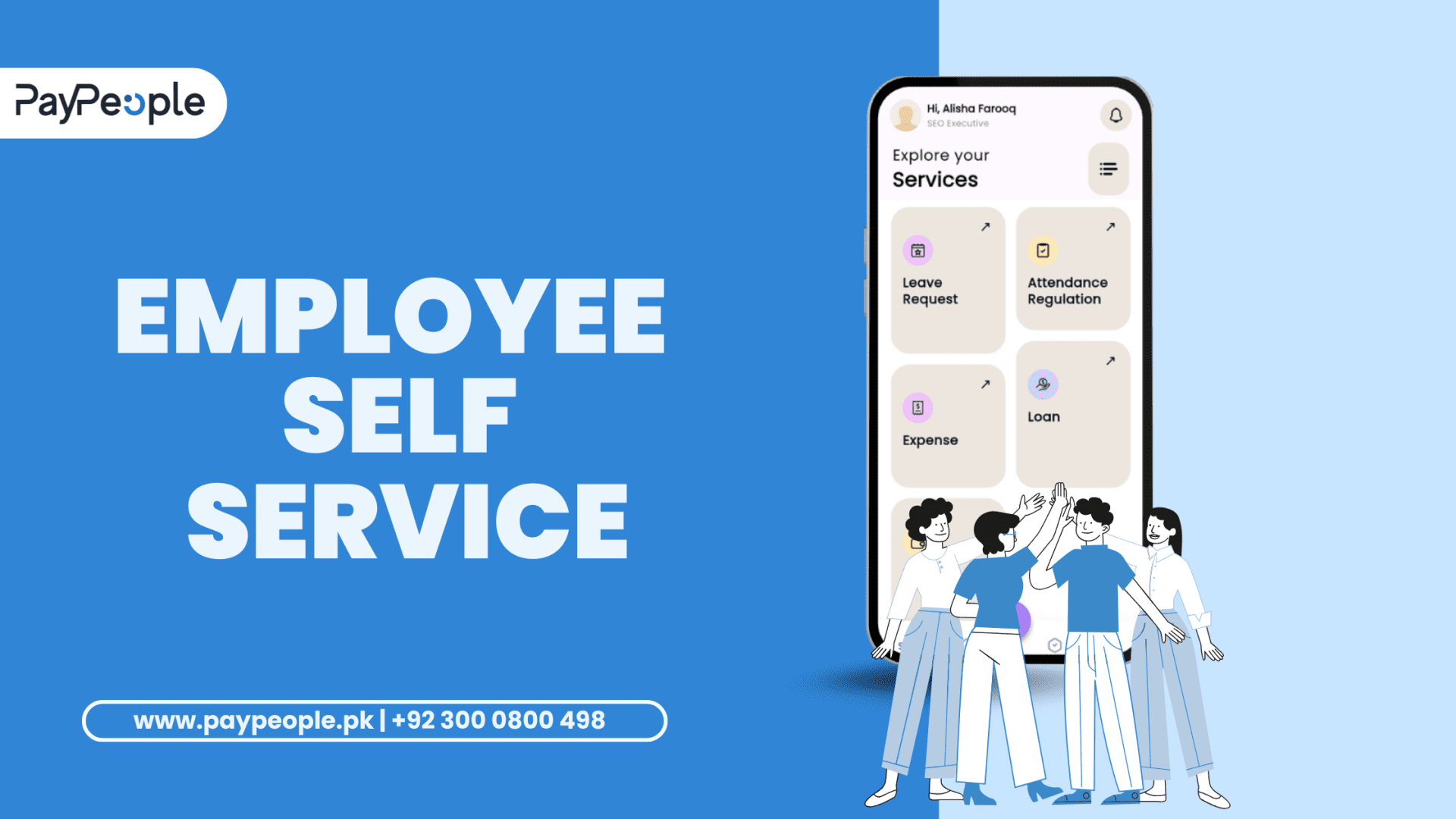

In the fast-evolving corporate world, technology continues to redefine how organizations manage their workforce. One of the most transformative innovations in recent years is the Employee self-service portal. These platforms have revolutionized traditional HR functions by shifting control into the hands of employees and managers. By enabling individuals to access, update, and manage their personal and employment-related information independently, HR self-service portals have emerged as indispensable tools for enhancing workplace autonomy, streamlining operations, and increasing overall productivity.
The rising demand for efficiency, transparency, and employee empowerment has positioned Employee self-service portals as a critical component of modern HR software. Businesses, regardless of size or industry, are now recognizing their value not only in reducing administrative overheads but also in boosting employee satisfaction and engagement. This article delves into the key benefits, core features, and strategic significance of Employee self-service portals, illustrating how they are reshaping the modern workplace.
| Module | Self-Service | Workflow Builder | Price (PKR/employee/month) |
|---|---|---|---|
| Core HR & ESS | Full Access | Standard | Rs. 300 – 450 |
| Leave & Expense | Apply/View | Custom Multi-Level | Included |
| Document Vault | Personal Uploads | Admin Only | Included |
| Manager Dashboard | Team Reporting | Approval Engine | Rs. 100 (Add-on) |
An HR self-service portal is a digital interface within an HR software system that allows employees and managers to handle various HR-related tasks independently. These may include viewing payslips, updating personal information, submitting leave requests, tracking attendance, reviewing performance data, or accessing policy documents. The portal acts as a centralized hub that empowers users to complete routine tasks without needing constant HR support.
Traditionally, HR departments were overwhelmed with time-consuming tasks such as processing leave applications, answering payroll queries, and updating employee records. HR self-service portals automate these operations, freeing HR professionals to focus on strategic initiatives like talent development, workforce planning, and employee engagement.
Employee Profile Management:
Employees can view and edit their personal details such as contact information, emergency contacts, and banking details, ensuring that records remain up-to-date and accurate.
Leave and Attendance Management:
Users can apply for leaves, track leave balances, and check attendance records, promoting transparency and real-time updates.
Payslip Access and Payroll Information:
Employees can securely download payslips, review salary structures, and track reimbursements without involving HR teams.
Performance and Goal Tracking:
Self-service platforms often include access to performance management systems where employees can set goals, monitor progress, and review appraisals.
Document Repository:
Important company policies, handbooks, compliance guidelines, and internal announcements are easily accessible, reducing the need for email communication or physical documents.
Training and Development Modules:
Integrated Learning Management Systems (LMS) allow employees to enroll in courses, track learning progress, and upskill continuously.
Helpdesk Integration:
For queries that still require HR input, many self-service portals integrate with helpdesk systems, enabling ticket-based support with tracking and resolution logs.
Enhanced Employee Autonomy:
Giving employees the ability to manage their own HR-related activities fosters a sense of ownership and autonomy. It eliminates unnecessary dependency on HR departments for minor queries or updates.
Improved Data Accuracy:
When employees manage their own information, the likelihood of outdated or incorrect data reduces significantly. This results in cleaner, more reliable HR records.
Time and Cost Efficiency:
Automating routine tasks reduces manual workload and associated administrative costs. HR professionals can then reallocate their time to more strategic functions.
Increased Transparency and Accountability:
With easy access to performance metrics, attendance logs, and compensation data, both employees and managers gain clear visibility, reducing misunderstandings and fostering a culture of accountability.
24/7 Access to HR Services:
Self-service portals are typically cloud-based, enabling employees to access them anytime, from any device. This flexibility is particularly beneficial for remote and hybrid work environments.
Scalability for Growing Organizations:
As businesses expand, managing HR operations manually becomes increasingly difficult. Self-service portals scale seamlessly with organizational growth, ensuring HR remains efficient and responsive.
Boosted Employee Engagement:
Empowered employees are often more engaged and motivated. When HR processes are transparent and accessible, employees feel more in control of their work life.
Modern HR is not just about managing personnel—it is about creating a positive employee experience, driving performance, and aligning human capital with organizational goals. Employee self-service portals play a strategic role in this evolution by serving as the digital foundation for a responsive, efficient, and data-driven HR function.
By decentralizing routine tasks, self-service portals allow HR leaders to focus on analytics, talent strategy, and culture-building. They also generate valuable data points that can be analyzed for workforce planning, employee satisfaction, and performance trends. In essence, these portals bridge the gap between operational efficiency and strategic HR management.
PayPeople Employee self-service portals are part of Human Resource Management Systems (HRMS) solution. When combined with modules such as recruitment, payroll, attendance, and performance management, the self-service portal becomes a gateway to the full employee lifecycle.
For example, an employee can:
Apply for leave,
Check upcoming payroll disbursements,
Monitor their performance goals, and
Register for training programs,
— all from one unified interface. This integration fosters a seamless experience and eliminates data silos, resulting in a more efficient HR infrastructure.
Given the sensitive nature of HR data, robust security is paramount. Modern self-service portals use multi-factor authentication, data encryption, and role-based access controls to protect user data. Additionally, the portals often assist in ensuring compliance with labor laws, tax regulations, and data protection standards by automating policy updates and capturing digital audit trails.
Despite the clear benefits, some organizations face challenges when implementing Employee self-service portals:
Resistance to Change: Employees and managers accustomed to traditional HR practices may be hesitant to adopt new technology. This can be addressed through change management programs and user training.
Lack of Customization: Off-the-shelf solutions may not meet every organizational requirement. Selecting customizable platforms can mitigate this issue.
Poor User Experience: Clunky or confusing interfaces can discourage usage. Investing in user-friendly, intuitive platforms is crucial for high adoption rates.
Data Migration Issues: Transitioning from legacy systems may pose technical difficulties. Collaborating with experienced vendors ensures a smoother migration process.
As remote and hybrid work environments become the norm, HR self-service portals will only grow in relevance. In the future, we can expect these portals to incorporate more AI-driven features, such as personalized dashboards, automated policy suggestions, and predictive analytics for employee engagement.
Furthermore, integration with communication tools like Slack or Microsoft Teams will make HR interactions even more seamless. Voice-activated self-service features and chatbot-powered assistance are also on the horizon, enhancing accessibility for diverse user groups.
PayPeople Employee self-service portals are no longer optional—they are essential for building a resilient, agile, and future-ready workforce. By empowering employees to manage their own HR tasks, these platforms foster a culture of autonomy, transparency, and engagement. For businesses aiming to streamline operations and enhance employee experience, investing in a robust self-service portal is not just a tech upgrade—it is a strategic imperative.
In 2025 and beyond, organizations that leverage the full potential of Employee self-service portals will be better positioned to attract talent, retain employees, and drive sustainable growth.
Ready to Transform Your HR Operations?
Experience the power of automation, transparency, and employee empowerment with PayPeople ESS. Streamline your HR processes, enhance employee engagement, and drive business growth with a fully integrated HR software solution tailored for modern organizations.
Contact PayPeople today to schedule a demo and discover how our all-in-one platform can revolutionize the way your workforce operates.

An Employee Self-Service (ESS) portal allows employees to access their own HR records, download payslips, apply for leave, and update personal info without contacting HR. In Pakistan, this reduces the administrative load on HR managers by up to 60%, fostering a Culture of transparency.
Employee Self-Service portals usually include leave management, payslip downloads, attendance tracking, expense claim submissions, and a document vault. For Pakistani SMEs, these features ensure that employees have 24/7 access to their employment data from any device.
By providing direct access to salary structures and tax deductions, Employee Self-Service tools eliminate “how was my pay calculated?” questions. This transparency builds trust between employees and the finance department, especially during month-end payroll cycles.
Yes, PayPeople provides an Employee Self-Service mobile app for both Android and iOS. This is crucial for Pakistani businesses with field staff or remote workers in cities like Karachi and Lahore who need to mark attendance or apply for leave on the go.
An HRMS with an ESS portal uses multi-factor authentication and role-based access. This means an employee only sees their own data, while managers only see their team’s data, ensuring complete security for sensitive personnel files in Pakistan.
The document vault in an Employee Self-Service portal allows staff to securely store and view CNICs, appointment letters, and educational degrees. This eliminates the need for physical folders and makes HR audits much faster for Pakistani companies.