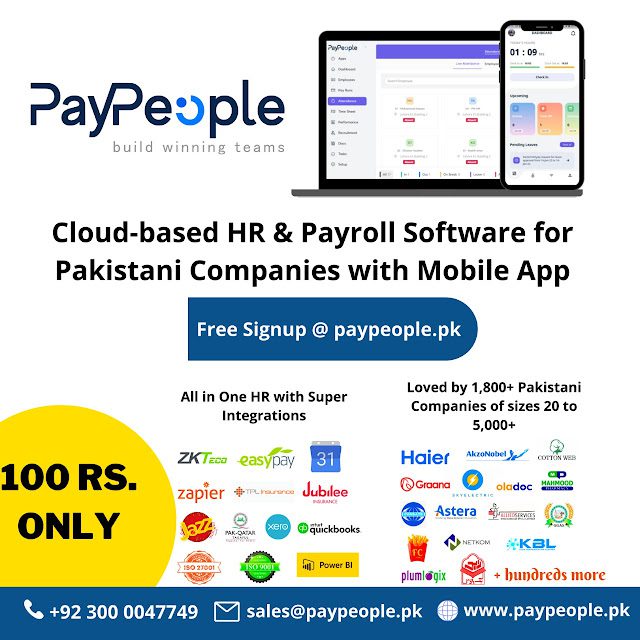

HRMS in Karachi provides the foundational infrastructure for modern Pakistani businesses to transition from chaotic spreadsheets to organized, secure, and scalable cloud-based people management. As Karachi’s business landscape grows increasingly competitive, firms in areas from I.I. Chundrigar Road to Korangi Industrial Area are adopting human resource management systems to centralize employee records and empower their workforce through digitized self-service portals.
HRMS in Karachi is essential because it eliminates the administrative bottlenecks that prevent local SMEs and large enterprises from scaling effectively. In a city where labor laws and reporting requirements are complex, having a centralized human resource system ensures that every employee’s master data—from CNIC copies to educational records—is stored in a secure digital vault.
This shift not only improves data security but also ensures that HR managers spend less time on paperwork and more time on strategic talent development and organizational culture.
Maintaining a digital “Source of Truth” for employee information is the primary advantage of implementing an HRIS. Instead of digging through physical files, HR teams can access a secure document vault containing employment contracts, performance history, and personal identification.
In Karachi, where multi-branch operations are common, this cloud-based access allows regional managers to view updated org charts and reporting hierarchies in real-time. Role-based access control ensures that sensitive data like salary history or personal documents remain visible only to authorized personnel, maintaining strict internal privacy standards.
An employee self-service (ESS) portal is a game-changer for workplace efficiency in Pakistan. By allowing employees to log into their own accounts via a mobile app or web browser, they can independently check their leave balances, download payslips, and update personal details.
This reduces the daily volume of routine queries hitting the HR desk. When a team member in a Karachi-based head office needs to update their emergency contact or view the company policy manual, they can do so instantly, fostering a culture of transparency and individual accountability.
Automated approval workflows replace the “missing paper” syndrome common in manual HR departments. Whether it is a leave request, an expense claim, or a reimbursement for travel, the Human Resource Management System routes the request automatically to the correct supervisor based on the predefined reporting hierarchy.
This ensures faster turnaround times for approvals and creates a clear audit trail of who approved what and when. For Karachi businesses operating across multiple shifts or locations, these digital workflows keep operations moving without requiring physical signatures or face-to-face meetings.
Data security is a top priority for Pakistani CFOs and HR Directors when moving to the cloud. Modern HRMS platforms utilize bank-grade encryption and secure server hosting to protect sensitive people data. With role-based permissions, you can define exactly what a line manager sees versus what a senior HR executive can access.
This granular control prevents data leaks and ensures compliance with internal audit requirements. In the event of a device loss, cloud-based systems allow for immediate session termination, ensuring that your company’s organizational data remains protected even in a mobile-first working environment.
Choosing the right human resource system requires looking for a partner that understands the local Pakistani context while offering global-standard technology. You should look for modules that cover the entire employee lifecycle—from core HR and org charts to performance reviews and expense management.
Integration is key; your HRMS should seamlessly feed data into your payroll and attendance systems to avoid manual re-entry. Prioritize vendors that offer local support and a clear roadmap for implementation, ensuring that your transition from manual processes to a digital HRMS is smooth, documented, and successful.
| Module | Self-Service | Workflow Builder | Price (PKR/employee/month) |
|---|---|---|---|
| Core HR & Master Data | Included | Standard | Rs. 250 |
| Advanced HRMS + ESS | Full App Access | Customizable | Rs. 400 |
| Enterprise People Suite | Full App Access | Multi-Level | Rs. 600 |
Implementing a robust HRMS in Karachi is no longer a luxury but a strategic necessity for companies aiming to modernize their workforce management. By centralizing data and automating workflows, PayPeople helps you build a more engaged and efficient team. Book a demo today to see how our cloud-native HR software can transform your business operations.
Implementing HRMS in Karachi centralizes all employee data, including CNIC details, contracts, and degrees, into a secure digital vault. This eliminates physical paperwork, reduces administrative errors, and allows HR teams to focus on strategic growth rather than manual record-keeping in a fast-paced business environment.
A human resource system provides a cloud-native document vault with role-based access. This ensures that sensitive employee data is only accessible to authorized personnel. In Pakistan, where data privacy is becoming critical, these systems offer encryption and audit trails that professionalize how your company handles private information.
Yes, PayPeople’s HR software is designed as a mobile-first application. Employees in Karachi can access their self-service portal to request leaves, view their org charts, and download payslips directly from their smartphones, making it ideal for teams that are often on the move or working remotely.
The Employee Self-Service (ESS) portal allows workers to manage their own profiles, check leave balances, and submit requests without emailing HR. This transparency improves employee morale and significantly reduces the daily administrative load on the human resources department, leading to higher overall productivity.
PayPeople offers flexible pricing for HRMS in Karachi, typically starting from Rs. 250 to Rs. 400 per employee per month for SMEs. This allows firms to pay only for the headcount they have, making enterprise-grade HR technology affordable for Karachi-based startups and established manufacturing units alike.
Most Karachi-based SMEs can complete a core HRMS implementation within 2 to 4 weeks. This includes importing the organizational structure, setting up employee master data, and configuring basic approval workflows for leaves and expenses, ensuring a quick return on investment.